
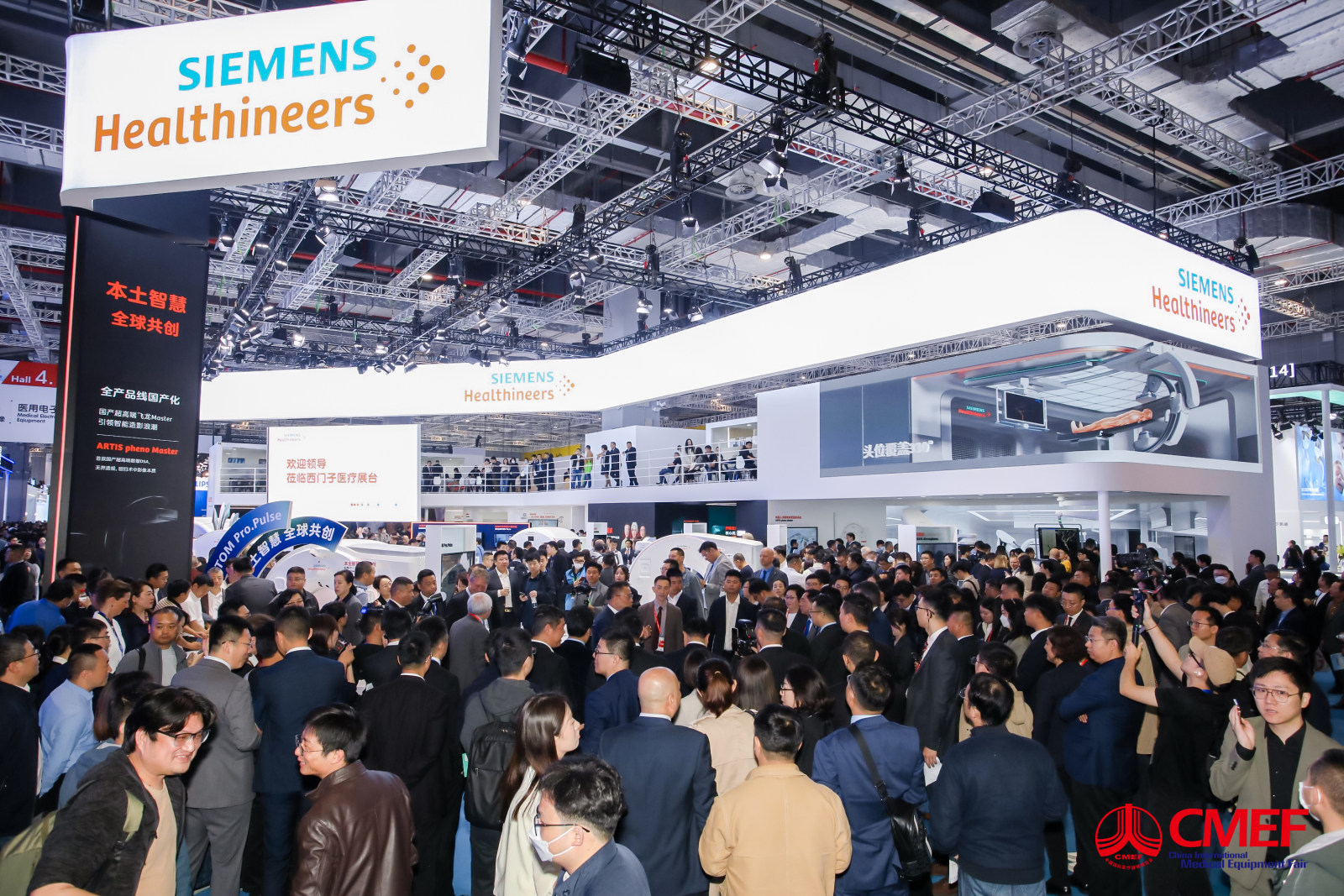
A strong stand brief balances brand ambition with operational reality. Include audience priorities, visitor actions, product demonstrations, private meeting needs, content formats, storage, accessibility, reuse plans, venue rules, and measurable outcomes. Share reference material for mood and behavior—not a layout to copy. This gives the design team enough direction to create something original while protecting the budget and delivery schedule.
Lead with audience and business outcomes
Start by defining who the stand must attract and what each priority visitor should do next. Give the design team clear business goals, audience segments, key messages, and success measures. This turns the brief into a decision-making tool rather than a list of visual preferences.
Map demonstrations and meeting flows
Describe how products will be demonstrated, where conversations should happen, and which meetings require privacy. Mapping these flows early helps the team balance visibility, hospitality, circulation, and lead capture without creating congestion on the show floor.
Include operational and accessibility needs
Document storage, power, lighting, audiovisual, staffing, accessibility, cleaning, and venue-compliance requirements from the start. Operational details shape the design, and resolving them early prevents expensive changes during production or installation.
Plan for reuse from the beginning
Identify which structures, graphics, furniture, and technology should be reused at future events. A modular design system can protect brand consistency, reduce waste, and improve the return on production investment across an entire exhibition calendar.
The strongest exhibition strategies begin with a clear business objective and end with accountable follow-up.